
Updated in June of 2026
Your enamel is like the superhero of your teeth. It’s the ultimate defense against decay and keeps your smile strong and healthy. But even superheroes have their kryptonite, and for enamel, it’s acid. Acidic foods and drinks can cause acid erosion and worn teeth, slowly weakening your enamel and leaving your teeth more vulnerable to damage. However, a few simple swaps and habits can go a long way in keeping your enamel healthy and happy. Let’s take a look at what to avoid and some better options for protecting your smile.
What Does Acid Erosion Looks Like? Signs to Watch For
Acid erosion isn't always obvious in the early stages, which is part of what makes it so easy to miss. Here's what to look for:
- Increased tooth sensitivity is often the first sign. If cold drinks, hot coffee, sweet foods, or even cold air makes your teeth ache or twinge, thinning enamel may be exposing the more sensitive dentin layer underneath.
- Teeth that look shorter or flatter than they used to signal that the biting edges, particularly on the front teeth, are wearing away. This gradually changes the overall shape of the smile.
- A yellowish tinge or translucency at the edges of the teeth, especially the front teeth, appears because dentin (which is naturally more yellow than enamel) begins to show through as the enamel thins. The biting edges may look almost glassy or transparent.
- Rounded or cupped surfaces on the back teeth can develop on the chewing surfaces of molars as the enamel erodes. This is a hallmark sign of acid erosion that Dr. Gentry often identifies during routine exams.
- Existing dental work that sits higher than the surrounding teeth. As enamel wears away around a filling or crown, the restoration appears to rise up because the natural tooth structure around it has grown shorter.
If you notice any of these changes, schedule an evaluation with Dr. Gentry. Early detection makes a significant difference in how much treatment we need to do.
The Most Acidic Foods and Drinks: What the pH Numbers Actually Mean
Not all acidic foods damage enamel equally. The lower the pH number, the more acidic the substance. Neutral sits at 7.0. Enamel starts to demineralize at around pH 5.5. Here's where some common foods and drinks fall:
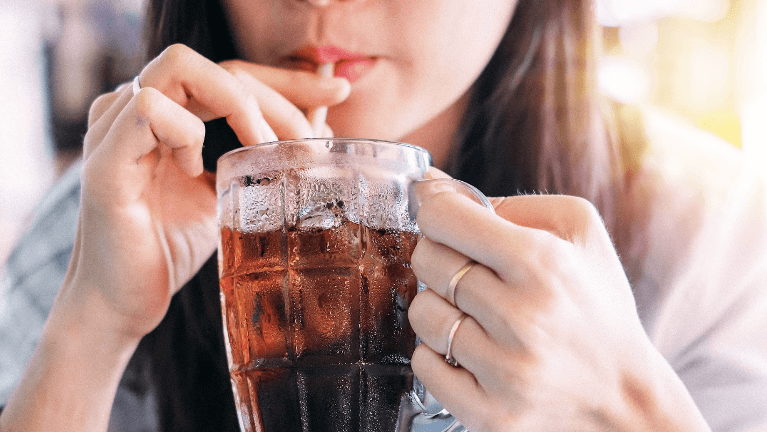
- Sodas and energy drinks rank among the most erosive substances teeth regularly encounter, not just because of sugar but because of the acids that create carbonation and flavor. The phosphoric acid in colas and the citric acid in fruit-flavored sodas can reach a pH as low as 2.3 to 3.0. Diet sodas are just as erosive as regular ones because removing the sugar does nothing to remove the acid.
- Sparkling water surprises a lot of patients. Plain carbonated water has a pH of around 3 to 4 due to carbonic acid. It is far less erosive than sodas, but frequent sipping throughout the day keeps the mouth's pH in a demineralizing range. Flavored sparkling waters tend to be even more acidic.
- Citrus fruits and juices (lemons, limes, oranges, grapefruit) are highly acidic, with pH levels ranging from 2.0 to 4.0. Lemon water is a popular wellness drink that dental professionals see causing significant enamel erosion, particularly when people drink it first thing in the morning or sip it slowly throughout the day.
- Wine, both red and white, typically has a pH between 3.0 and 3.5. White wine tends to be slightly more erosive than red. Regular wine drinkers, particularly those who sip slowly over the course of an evening, accumulate meaningful acid exposure over time.
- Sports drinks like Gatorade and Powerade often have a pH between 2.9 and 3.7. Manufacturers market them for hydration, but they deliver acid exposure that rivals sodas. This matters especially for young athletes who reach for them during and after games.
- Vinegar-based foods including salad dressings, pickles, kombucha, and hot sauces can have a pH as low as 2.5 to 3.5 depending on the product. Kombucha has grown enormously in popularity as a health drink, and it carries significant erosive potential that many patients don't expect.
- Coffee sits around pH 4.0 to 5.0. It is less erosive than sodas or citrus, but most people drink multiple cups throughout the day, and that cumulative exposure adds up.
- Tomato-based foods including pasta sauces, ketchup, salsa, and canned tomatoes have a pH of roughly 3.5 to 4.5. People who eat Italian food or tomato-heavy dishes regularly should keep this in mind.
Enamel-Friendly Alternatives
The good news is you don’t have to give up everything you love! Here are some healthier, enamel-friendly swaps:
- Crunchy Veggies — Munch on carrots, celery, or cucumbers to naturally clean teeth and stimulate saliva production, which neutralizes acids.
- Cheese and Yogurt — Dairy products are rich in calcium and low in acid, making them great for strengthening teeth.
- Water — Plain water is your enamel’s best friend, rinsing away acids and keeping your mouth hydrated.
- Sugar-Free Gum — Chewing gum after meals boosts saliva flow and helps protect enamel from lingering acids.
What Actually Protects Enamel
- Drink water, especially fluoridated water. Plain water raises the mouth's pH, rinses away acid, and supports saliva production. Fluoridated water actively helps with remineralization. This is the single most accessible protective habit.
- Finish acidic foods at meals rather than snacking on them. The saliva your body produces during a full meal neutralizes acid more effectively than when you eat or drink something small and acidic in isolation.
- Rinse with water immediately after eating or drinking acidic foods. Rinsing doesn't replace brushing, but it dilutes and neutralizes acid right away.
- Use a straw for acidic drinks. A straw reduces direct contact between acidic liquid and tooth surfaces. Position it toward the back of the mouth rather than sipping through the front teeth.
- Eat calcium-rich foods. Research supports cheese in particular for its enamel-protective effects. It stimulates saliva production, supplies calcium and phosphate that help remineralize enamel, and raises oral pH. Finishing a meal with a small piece of cheese is a genuinely useful habit.
- Chew sugar-free xylitol gum after meals. Chewing stimulates saliva flow, and xylitol actively inhibits the bacteria that produce acid in the mouth. Look for sugar-free gum bearing the ADA Seal of Acceptance.
- Ask about a prescription-strength fluoride toothpaste. For patients showing signs of erosion, Dr. Gentry may recommend a fluoride toothpaste with a higher concentration than over-the-counter products, which significantly boosts remineralization.
- Address dry mouth directly. If you take medications that cause dry mouth, talk with Dr. Gentry about strategies, including prescription dry mouth products, xylitol lozenges, and staying well hydrated, to protect your enamel when saliva levels run low.
- Get evaluated for GERD. If you experience frequent heartburn or regurgitation, or if your upper back teeth show more erosion than the front, reflux may be the cause. Treating the underlying condition is the only way to stop this pattern of erosion.
Call Our Charlotte Dentist Today
Worried about acid erosion and worn teeth? Schedule a visit with our dentist in Charlotte, NC, for personalized tips and treatments to protect your enamel and keep your smile shining bright.